

- Site Navigation -

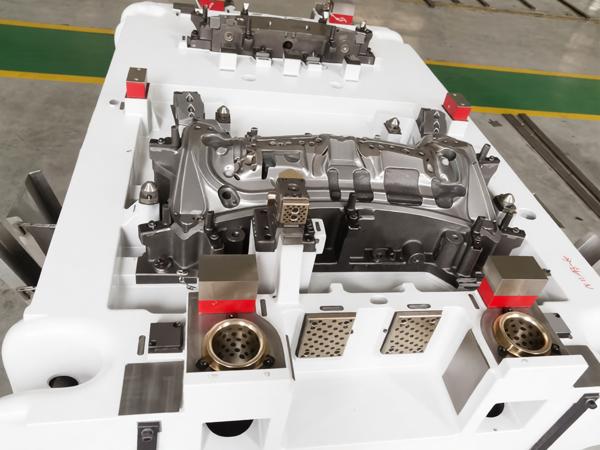
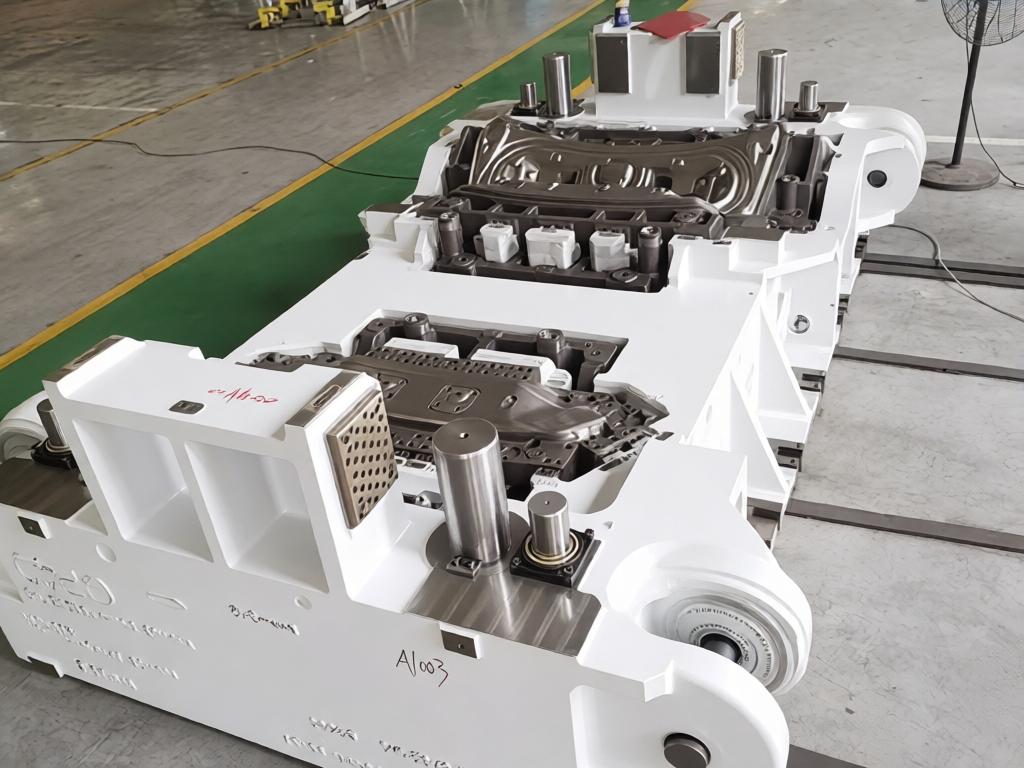
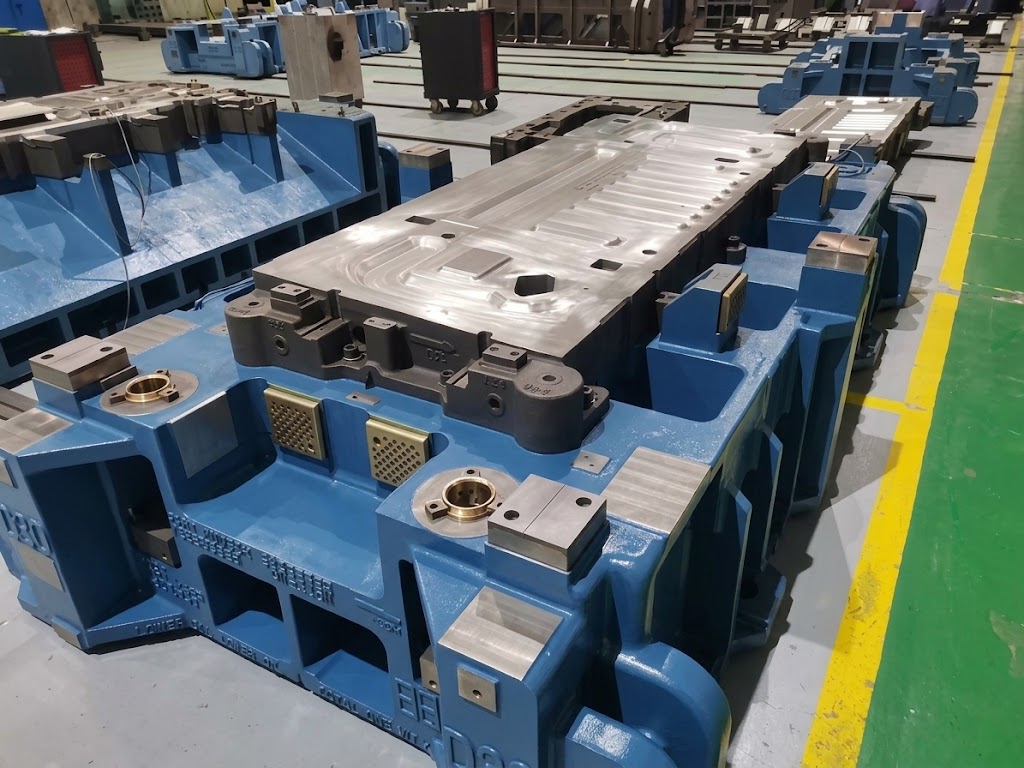
Common Defects in Automotive Side Panel and Fender Die Closing Stamping
Date: 2026-04-23 11:45:27 Author: Haoxinran Views: 192 times
Automotive side panels and fenders are important exterior body components that directly influence vehicle appearance, aerodynamic performance, and assembly precision. During die closing stamping operations, these parts often experience complex deformation because of large forming areas, irregular curves, and high surface quality requirements. If the forming process is not properly controlled, various defects may appear, affecting both product quality and production efficiency.
Understanding the common defects in side panel and fender stamping and applying suitable corrective measures is essential for stable automotive manufacturing.
Characteristics of Side Panel and Fender Stamping
Side panels and fenders belong to large automotive outer covering parts. These components usually feature deep drawing areas, multiple curved surfaces, sharp transitions, and long material flow paths. Compared with structural components, their surface quality standards are much stricter because even minor defects can become visible after painting.
In addition, the increasing use of high-strength steel and lightweight materials creates greater challenges for forming control, springback management, and dimensional consistency.
Surface Wrinkling During Die Closing
Wrinkling is one of the most common defects in side panel and fender stamping. It usually occurs in flange areas, wheel arch regions, or locations where material flow becomes unstable during die closing.
The main causes include insufficient blank holder force, excessive material inflow, or improper draw bead design. When the sheet metal cannot maintain sufficient tensile stress during forming, compression instability leads to wrinkle formation.
To solve this issue, engineers commonly increase blank holder pressure, optimize draw bead layout, and improve material flow balance. In some cases, reducing local material feeding or adjusting stamping speed can also help suppress wrinkles.
Surface Dent and Oil Can Defects
Surface dents and oil can defects are highly sensitive issues for exterior body panels. These defects may not be immediately visible after stamping but often become obvious after painting or under reflected light inspection.
Oil can defects are usually caused by uneven residual stress distribution within the sheet metal. Large flat areas in side panels and fenders are particularly vulnerable to this phenomenon.
The stress relationship during elastic deformation can be expressed as:
\sigma = E\epsilon
When residual stress exceeds local stability limits, elastic instability may appear as surface waviness or oil canning.
Common solutions include improving die surface precision, optimizing forming sequences, increasing local stiffness through design modification, and using restrike operations to redistribute stress more evenly.
Cracking at Sharp Corners and Wheel Arches
Cracks frequently occur at sharp radii, door opening edges, or wheel arch transitions where material stretching is concentrated. High-strength steel materials are especially prone to cracking because of their lower elongation capability.
Several factors contribute to cracking defects:
Small die corner radii
Excessive drawing depth
Poor lubrication
Uneven material flow
Improper blank shape design
To reduce cracking risk, manufacturers often enlarge die radii, optimize blank geometry, and improve lubrication conditions. Multi-stage forming processes can also distribute deformation more gradually and reduce localized stress concentration.
Springback and Dimensional Deviation
Springback is a major challenge in side panel and fender production, particularly when using advanced high-strength steel. After unloading from the die, elastic recovery causes dimensional changes that affect assembly accuracy.
Common springback problems include:
Flange opening
Edge distortion
Gap inconsistency
Profile mismatch
These dimensional deviations can create assembly difficulties during body welding operations.
Manufacturers usually apply compensation techniques during die design, including over-bending and springback prediction through CAE simulation. Servo press systems and restrike dies are also widely used to improve dimensional stability.
Surface Scratches and Galling
Because side panels and fenders are exposed exterior parts, surface scratches are unacceptable in mass production. Scratches often occur due to contaminated die surfaces, poor lubrication, or excessive friction between the sheet and die.
Galling becomes more serious when forming aluminum alloys or high-strength steel sheets because these materials generate higher contact stress during sliding.
To prevent these issues, manufacturers maintain strict die cleaning standards and apply advanced surface coatings such as TiN or chrome plating on dies. Proper lubricant selection also plays an important role in reducing friction damage.
Edge Wave and Flange Distortion
After trimming and flanging operations, edge waves or flange twisting may appear along the panel edges. This defect can influence hemming quality and assembly precision.
The main causes include uneven stress release after trimming and insufficient flange support during forming.
Solutions include optimizing trimming sequences, increasing local rigidity, and improving flange forming angles. Additional calibration operations may also be introduced to stabilize final geometry.
Importance of Process Simulation and Die Optimization
Modern automotive stamping increasingly relies on digital simulation technology to predict forming defects before physical die production. CAE analysis allows engineers to evaluate material thinning, stress distribution, springback behavior, and wrinkle tendency in advance.
Die optimization based on simulation results helps reduce trial-and-error adjustments during production launch. At the same time, intelligent press monitoring systems provide real-time process control, improving production consistency and defect detection efficiency.
Conclusion
Side panel and fender die closing stamping involves highly complex forming behavior and strict surface quality requirements. Common defects such as wrinkling, cracking, springback, oil canning, scratches, and flange distortion can significantly affect vehicle appearance and assembly performance.
By optimizing die design, controlling material flow, improving lubrication, and applying advanced forming simulation technologies, manufacturers can effectively reduce defects and achieve stable, high-quality automotive panel production.
As lightweight materials and high-strength steels continue to evolve, precision stamping technologies will become even more important in modern automotive manufacturing.
References
Automotive Sheet Metal Forming Technology Handbook
Advanced High Strength Steel Stamping Guidelines
Automotive Outer Panel Defect Analysis and Control
Metal Forming and Stamping Engineering Principles
SAE Technical Papers on Automotive Panel Springback
Automotive Body Panel Die Design and Manufacturing Research

Contact Us
- Company Name: Hebei Haoxinran Machinery Manufacturing Co.,Ltd.
- Hotline: +86 18932785670
- Email: project@haoranmj.com
- Website: https://www.hxrmetal.com
- Address: Across from Sanjing Distillery on Road 4, Botou Economic Development Zone, Cangzhou City, Hebei Province


Copyright © 2026-2027 https://www.hxrmetal.com. All Rights Reserved. Hebei Haoxinran Machinery Manufacturing Co.,Ltd.