

- Site Navigation -

What materials are commonly used for automotive stamping die construction?
Date: 2026-09-21 10:59:42 Author: Haoxinran Views: 72 times
What materials are commonly used for automotive stamping die construction?
Material selection represents one of the most critical decisions in stamping die design, directly impacting die performance, durability, and overall cost effectiveness. Different applications require different tool materials based on production volume, component material, forming complexity, and surface quality requirements. This FAQ provides comprehensive information about common stamping die materials and their application guidelines.
Primary Tool Material Categories
Automotive stamping dies use several categories of tool materials:
1. Cast Iron Grades
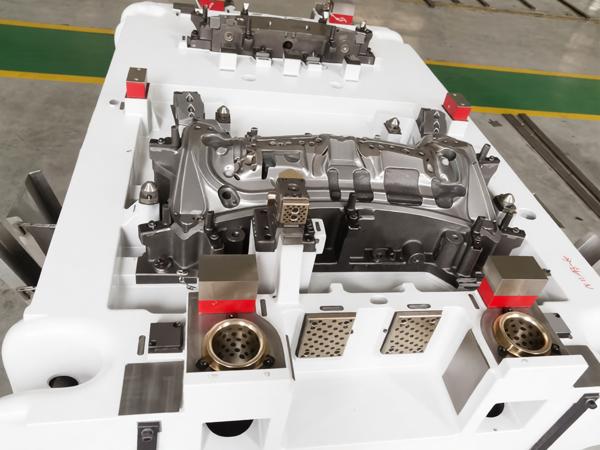
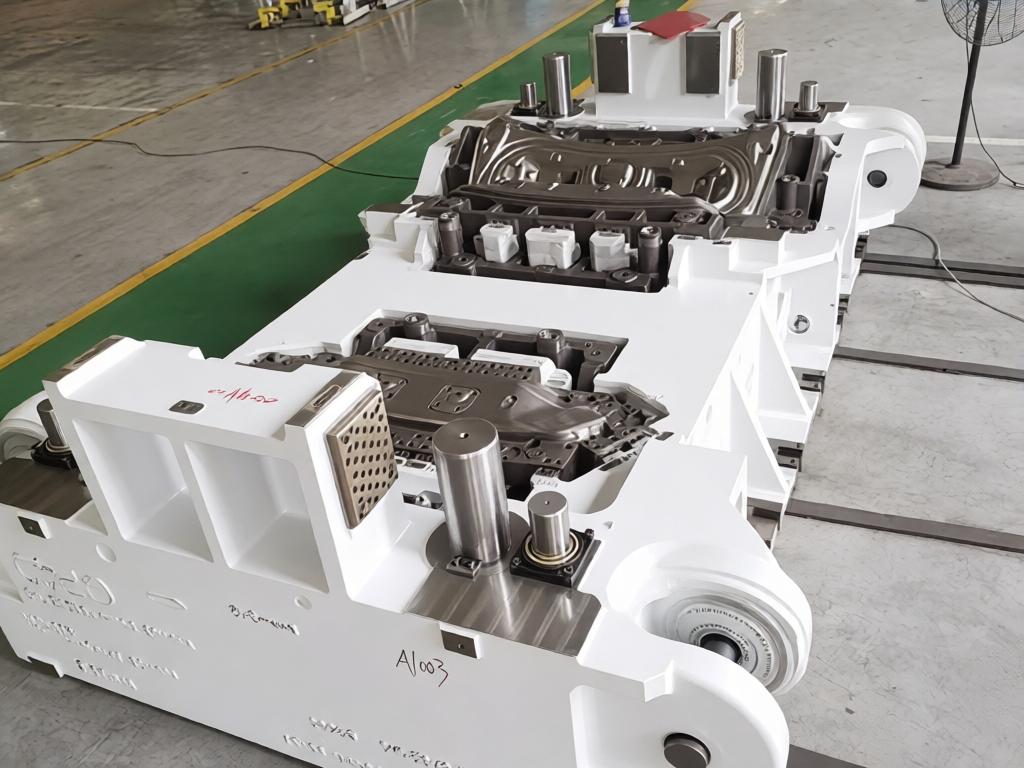
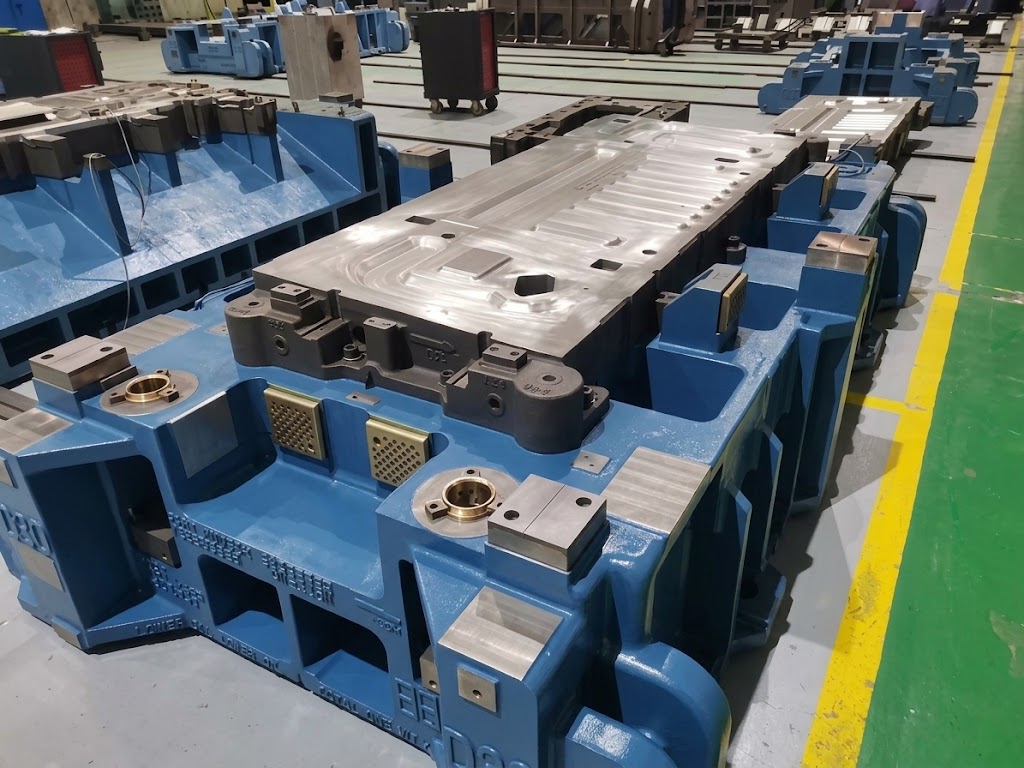
Gray Cast Iron (GG25, GG30): Used for die bodies, holders, and structural components. Good machinability, vibration damping properties, and low cost. Limited wear resistance for forming surfaces.
Ductile Iron (GGG70): Offers improved strength and toughness compared to gray cast iron. Used for mid-volume production dies and components requiring moderate wear resistance.
Alloy Cast Irons: Enhanced wear resistance through alloy additions. Used for production dies with moderate wear requirements.
2. Tool Steel Grades
Carbon Tool Steels: Low cost, easy machining. Used for low-volume production dies and trim fixtures. Limited hardenability and wear resistance.
Cold Work Tool Steels (D2, O1): Excellent wear resistance and dimensional stability. Used for blanking, piercing, and trimming operations in high-volume production.
Hot Work Tool Steels (H11, H13): Designed for elevated temperature applications. Used in hot stamping dies and high-temperature forming operations. Excellent thermal fatigue resistance.
High-Speed Steels (M2, PM): Superior wear resistance and hot hardness. Used for high-volume production cutting operations and premium wear surfaces.
3. Specialized Materials
Tungsten Carbide: Exceptional wear resistance. Used for high-volume production cutting edges and critical wear surfaces. High cost and brittle compared to steels.
Aluminum Bronze Alloys: Non-galling properties. Used for forming surfaces that require minimal marking on visible panels.
Epoxy and Plastic Materials: Used in prototype and low-volume production dies. Rapid machining and low cost. Limited durability.
Material Selection Factors
Several factors influence tool material selection:
Production Volume: Higher volumes require more wear-resistant materials
Component Material: Stronger, harder materials require more durable tool materials
Surface Quality Requirements: Visible panels require special material considerations to prevent surface defects
Die Complexity: Intricate geometries may require materials with better machinability
Cost Considerations: Material cost represents a significant portion of total die cost
Surface Treatment Options
Various surface treatments enhance tool material performance:
Nitriding for increased surface hardness and wear resistance
PVD coatings (TiN, TiCN) for premium wear performance
Oxide treatments for improved galling resistance
Polishing treatments for surface quality improvement
Frequently Asked Questions
Q: What is the most common material for production stamping dies?
A: Cast iron die bodies with tool steel inserts remain the most common approach for automotive production dies, balancing cost, durability, and machinability.
Q: How does material selection affect die cost?
A: Tool material typically represents 15-30% of total die cost. Higher performance materials significantly increase cost but can reduce long-term ownership costs through extended die life.
Q: Can different materials be used in the same die?
A: Yes, modern die construction commonly uses different materials for different die sections, optimizing performance and cost based on specific functional requirements.
Conclusion
Proper tool material selection is essential for achieving optimal die performance, service life, and cost effectiveness. By considering production requirements, component characteristics, and surface quality needs, die designers can select the most appropriate materials for each application.
References
Tool Steel Selection Guide - Material Standards
Stamping Die Material Guidelines - Manufacturing Industry Standards
Die Construction Material Selection - Engineering Reference Publications

Contact Us
- Company Name: Hebei Haoxinran Machinery Manufacturing Co.,Ltd.
- Hotline: +86 18932785670
- Email: project@haoranmj.com
- Website: https://www.hxrmetal.com
- Address: Across from Sanjing Distillery on Road 4, Botou Economic Development Zone, Cangzhou City, Hebei Province


Copyright © 2026-2027 https://www.hxrmetal.com. All Rights Reserved. Hebei Haoxinran Machinery Manufacturing Co.,Ltd.