

- Site Navigation -

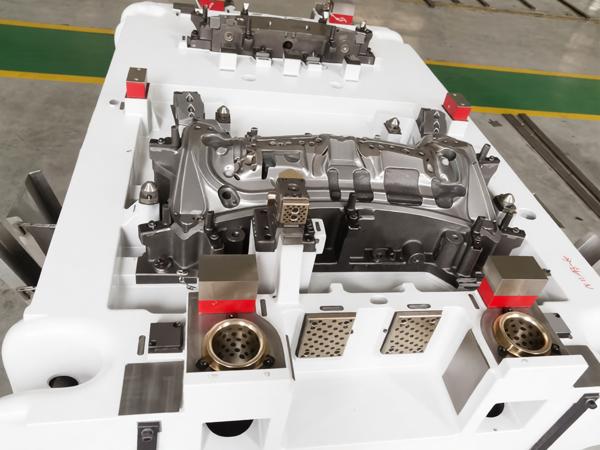
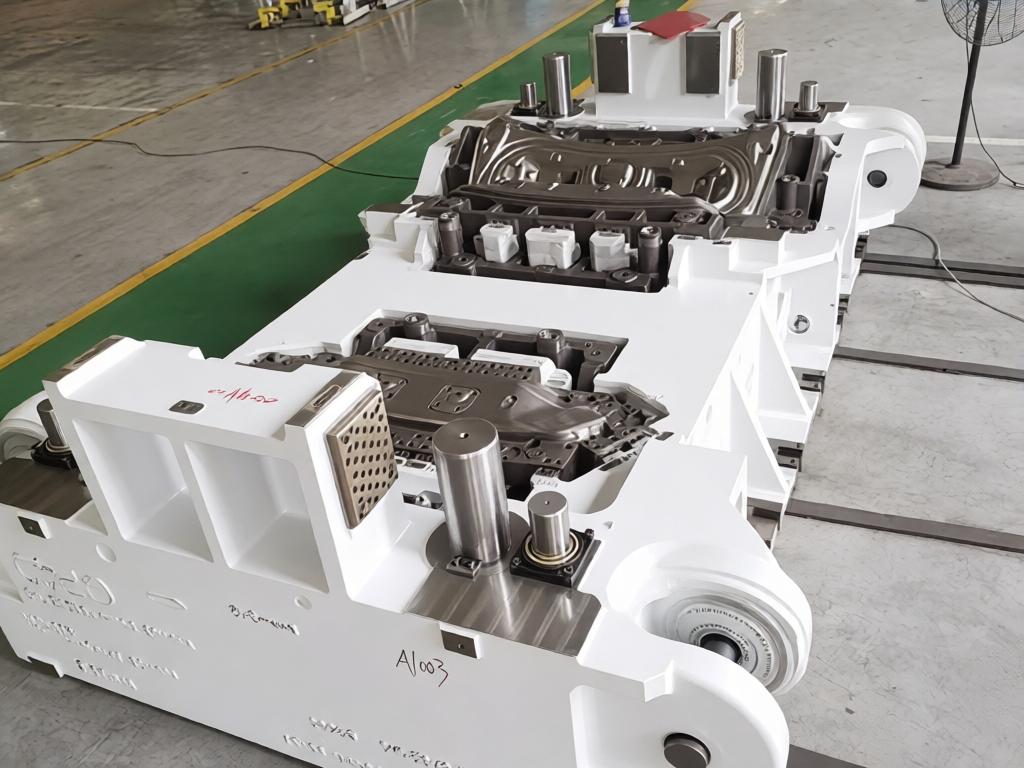
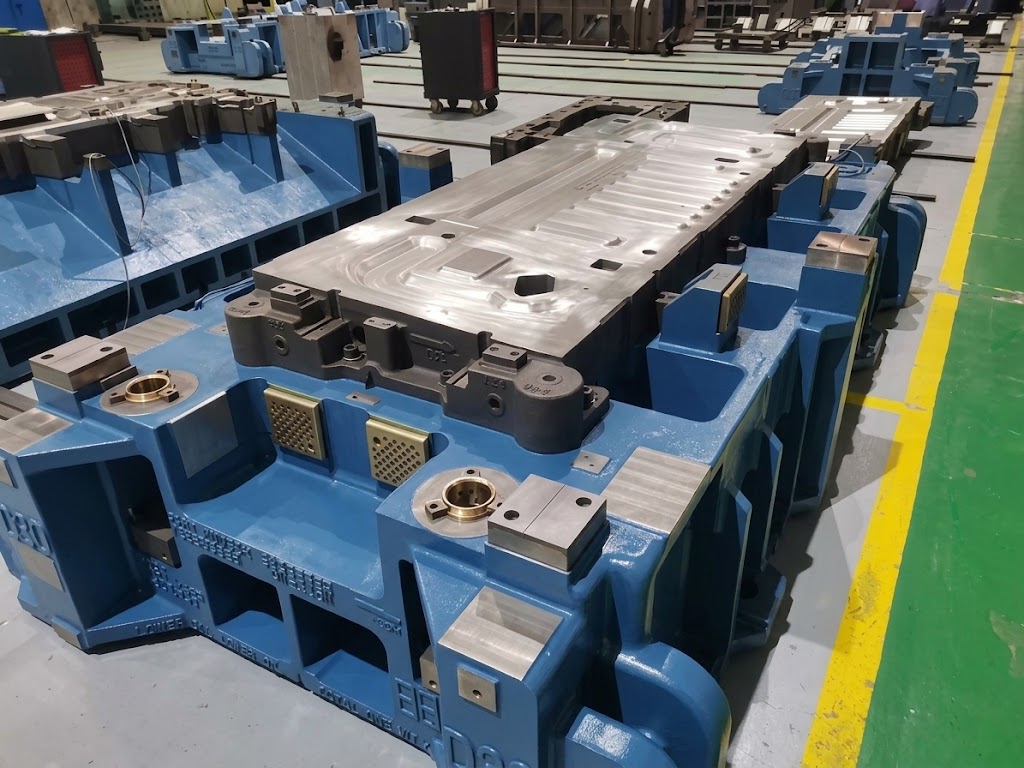
What surface treatments are recommended for extending stamping die life?
Date: 2026-09-21 11:00:47 Author: Haoxinran Views: 152 times
What surface treatments are recommended for extending stamping die life?
Surface treatments represent a proven method for extending stamping die life, improving wear resistance, reducing friction, and preventing galling. Properly selected surface treatments can significantly enhance die performance and reduce maintenance costs. This FAQ provides comprehensive information about common surface treatments and their applications for stamping die components.
Why Surface Treatments Matter
Surface treatments provide several important benefits for stamping dies:
Improved wear resistance for cutting and forming surfaces
Reduced friction between material and die surfaces
Prevention of galling and material pickup
Enhanced corrosion resistance
Extended time between maintenance intervals
Improved part surface quality
Common Surface Treatment Options
1. Nitriding Treatments
Gas Nitriding: Creates hard nitride layer on steel surfaces. Improves wear resistance and fatigue strength. Depth typically 0.1-0.5 mm.
Plasma Nitriding: More controlled process with precise layer properties. Excellent for complex die geometries.
Nitrocarburizing: Combines nitrogen and carbon diffusion. Provides excellent anti-galling properties.
2. PVD (Physical Vapor Deposition) Coatings
TiN (Titanium Nitride): Classic golden coating. Excellent hardness and wear resistance. Good general-purpose coating.
TiCN (Titanium Carbonitride): Higher hardness than TiN. Improved performance for abrasive applications.
TiAlN (Titanium Aluminum Nitride): Excellent high-temperature performance. Ideal for hot stamping applications.
CrN (Chromium Nitride): Superior anti-galling properties. Excellent for stainless steel and aluminum forming.
3. Oxide Treatments
Black Oxide: Forms protective oxide layer. Improves galling resistance and lubricant retention.
Ferritic Nitrocarburizing: Combined treatment with oxide layer. Excellent for forming operations.
4. Polishing and Texturing
Mirror Polishing: Ultra-smooth surfaces reduce friction and improve part quality.
Controlled Texturing: Strategic surface texture patterns improve lubricant retention.
Lapping: Precision surface finishing for critical features.
Treatment Selection Guidelines
Select appropriate treatments based on application requirements:
For Cutting Operations
PVD coatings (TiN, TiCN) for wear resistance
Nitriding for extended edge life
Polishing for clean cut edges
For Forming Operations
CrN or oxide treatments for anti-galling
Lubricant-retentive surface textures
Polished surfaces for visible part quality
For Hot Stamping Dies
TiAlN coatings for high-temperature performance
Nitriding for thermal fatigue resistance
Specialized treatments for scaling resistance
Performance Comparison
| Treatment Type | Wear Resistance | Galling Resistance | Cost Level |
|---|---|---|---|
| Nitriding | Good | Good | Moderate |
| TiN Coating | Very Good | Good | Moderate |
| TiCN Coating | Excellent | Very Good | High |
| CrN Coating | Very Good | Excellent | High |
| Oxide Treatment | Good | Excellent | Low |
| Polishing | Good | Very Good | Low |
Maintenance Considerations
Surface treatments require proper maintenance:
Avoid excessive grinding during resharpening that removes coating layers
Re-apply coatings after major repairs or extensive resharpening
Proper cleaning and lubrication preserve treatment effectiveness
Regular inspection for coating wear and damage
Frequently Asked Questions
Q: How much do surface treatments extend die life?
A: Depending on the treatment and application, surface treatments typically extend die life by 2 to 5 times compared to uncoated tool surfaces.
Q: Can coatings be re-applied?
A: Yes, most PVD and nitriding treatments can be re-applied after removing worn surface layers and preparing the substrate surface.
Q: Do all die components need surface treatment?
A: No, typically only critical wear surfaces and contact areas receive surface treatments. Structural components usually don't require special treatment.
Conclusion
Surface treatments provide a cost-effective method for extending stamping die life and improving performance. By selecting appropriate treatments based on specific application requirements, manufacturers can significantly reduce maintenance costs and improve overall production efficiency.
References
Die Surface Treatment Guidelines - Manufacturing Industry Standards
Coating Technology for Tooling - Material Science Research Publications
Wear Resistance Enhancement - Engineering Best Practices

Contact Us
- Company Name: Hebei Haoxinran Machinery Manufacturing Co.,Ltd.
- Hotline: +86 18932785670
- Email: project@haoranmj.com
- Website: https://www.hxrmetal.com
- Address: Across from Sanjing Distillery on Road 4, Botou Economic Development Zone, Cangzhou City, Hebei Province


Copyright © 2026-2027 https://www.hxrmetal.com. All Rights Reserved. Hebei Haoxinran Machinery Manufacturing Co.,Ltd.