

- Site Navigation -

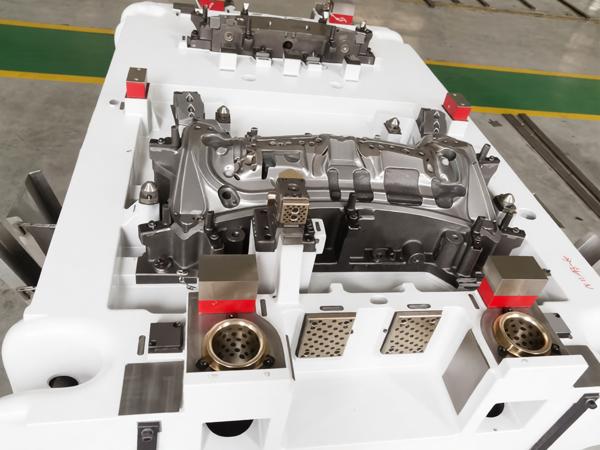
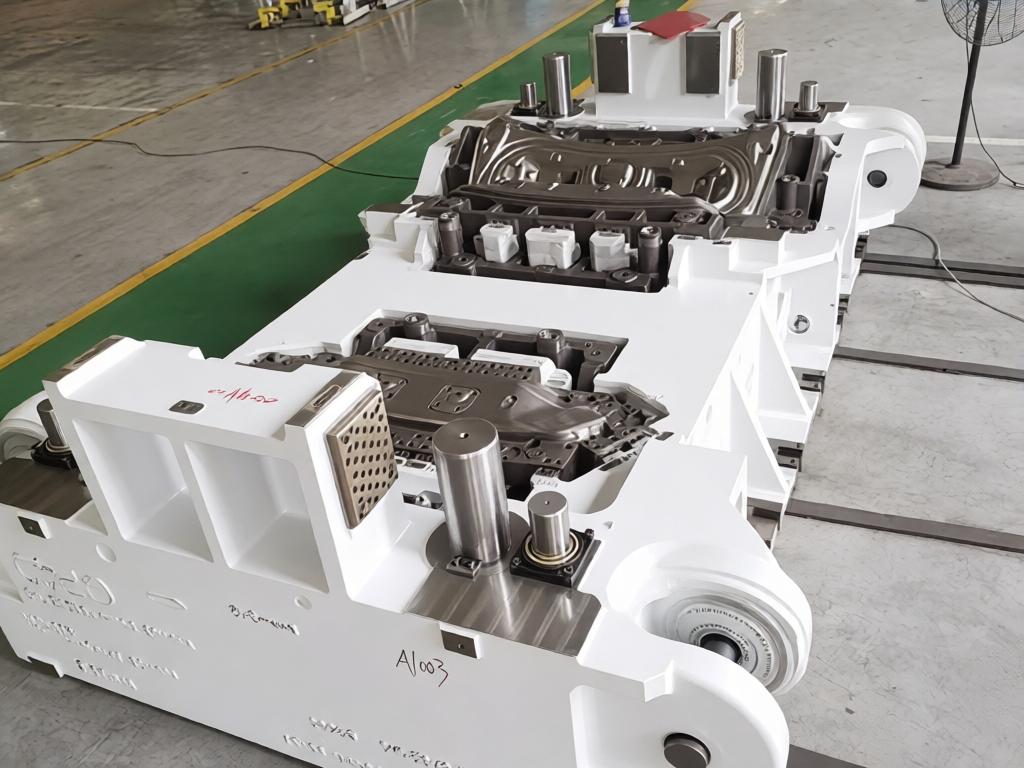
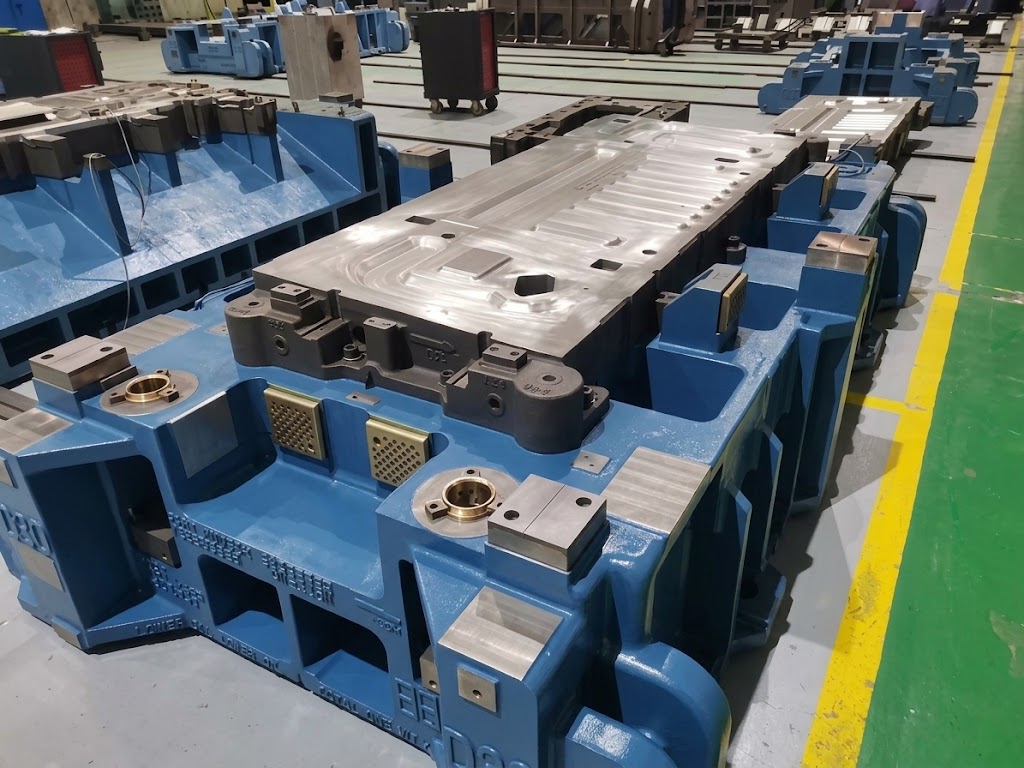
What tolerance levels can be achieved with automotive stamping dies?
Date: 2026-09-21 11:00:17 Author: Haoxinran Views: 70 times
What tolerance levels can be achieved with automotive stamping dies?
Tolerance capability represents a critical specification for automotive stamping dies, directly influencing part functionality, assembly fit, and overall product quality. Understanding achievable tolerance levels helps with part design, die specification, and quality planning. This FAQ provides comprehensive information about typical tolerance ranges achievable with automotive stamping dies.
Factors Influencing Tolerance Capability
Several factors determine achievable tolerance levels:
Part size and geometric complexity
Material type and thickness
Die design and construction quality
Press equipment precision and condition
Process control and production environment
Volume requirements and die wear management
Typical Tolerance Ranges
Automotive stamping dies typically achieve the following tolerance levels:
1. Dimensional Tolerances
Small Parts (up to 300mm): ±0.05 to ±0.15 mm for critical dimensions
Medium Parts (300-1000mm): ±0.10 to ±0.30 mm for critical dimensions
Large Panels (over 1000mm): ±0.20 to ±0.50 mm depending on feature type
Hole Positions: ±0.05 to ±0.15 mm from nominal position
2. Geometric Tolerances
Flatness: 0.10 to 0.30 mm over 100mm reference length
Straightness: 0.05 to 0.20 mm over 100mm reference length
Angularity: ±0.5° to ±1.0° for formed angles
Perpendicularity: 0.10 to 0.30 mm depending on height
3. Edge Quality Tolerances
Burr Height: Less than 0.03 to 0.08 mm depending on material
Edge Roughness: Ra 1.6 to 3.2 µm typical for cut edges
Edge Straightness: 0.05 to 0.15 mm per 100mm length
Tolerance Considerations by Operation Type
Different stamping operations achieve different tolerance levels:
Blanking and Piercing
Best dimensional accuracy for hole diameters and positions
Tighter tolerances achievable with precision-ground tooling
Edge quality depends on material and die condition
Bending and Flanging
Springback influences dimensional accuracy
Angle tolerances typically wider than hole tolerances
Compensation strategies improve accuracy
Drawing and Forming
Wider tolerances due to material flow variations
Surface geometry tolerances depend on part size
Springback control critical for dimensional accuracy
Specialized High-Precision Applications
With specialized design and process control, tighter tolerances are achievable:
Precision progressive dies: ±0.02 to ±0.05 mm for critical features
Fine blanking processes: Improved edge quality and flatness
Secondary operations: Can improve specific feature accuracy
Tolerance Stack-Up Considerations
When designing components with multiple features, consider:
Cumulative tolerance effects across multiple operations
Material thickness variation impacts
Temperature effects on dimensional stability
Die wear effects on tolerance drift over production
Quality Control Methods
Verifying tolerance compliance involves:
Coordinate measuring machines for dimensional verification
Optical measurement systems for complex geometry
Go/no-go gauges for critical feature verification
Statistical process control for production monitoring
Frequently Asked Questions
Q: Can tighter tolerances be achieved with more expensive dies?
A: Yes, precision-ground tooling, higher quality materials, and additional operations can achieve tighter tolerances, but at proportionally higher cost.
Q: Do tolerances loosen over production volume?
A: Yes, die wear gradually affects tolerance levels. Regular maintenance and resharpening help maintain specified tolerances throughout die life.
Q: How do material properties affect tolerance capability?
A: Material variations in thickness, strength, and ductility all influence achievable tolerances. More consistent materials enable tighter tolerance control.
Conclusion
Understanding achievable tolerance levels is essential for successful automotive stamping die design and component engineering. By considering all factors influencing tolerance capability, designers can specify appropriate tolerances that balance functionality, quality, and manufacturing cost.
References
Stamping Die Tolerance Standards - Automotive Industry Guidelines
Dimensional Control in Sheet Metal Forming - Engineering Standards
Precision Stamping Capabilities - Manufacturing Technology Publications

Contact Us
- Company Name: Hebei Haoxinran Machinery Manufacturing Co.,Ltd.
- Hotline: +86 18932785670
- Email: project@haoranmj.com
- Website: https://www.hxrmetal.com
- Address: Across from Sanjing Distillery on Road 4, Botou Economic Development Zone, Cangzhou City, Hebei Province


Copyright © 2026-2027 https://www.hxrmetal.com. All Rights Reserved. Hebei Haoxinran Machinery Manufacturing Co.,Ltd.