

- Site Navigation -

Progressive Die Design for High-Volume Automotive Stamping Production
Date: 2026-09-21 10:58:31 Author: Haoxinran Views: 145 times
Progressive Die Design for High-Volume Automotive Stamping Production
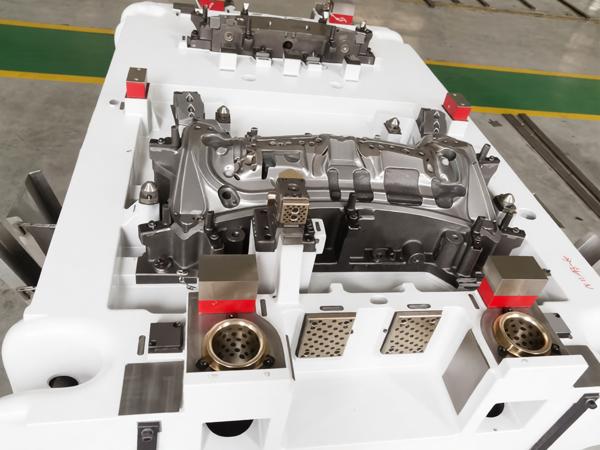
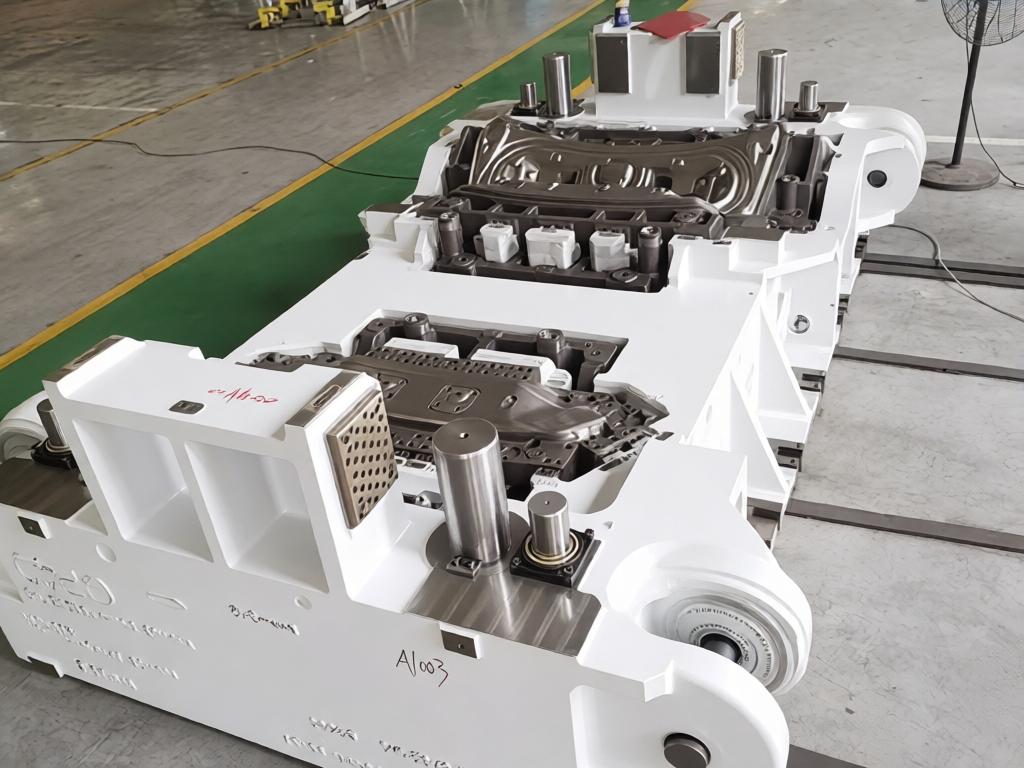
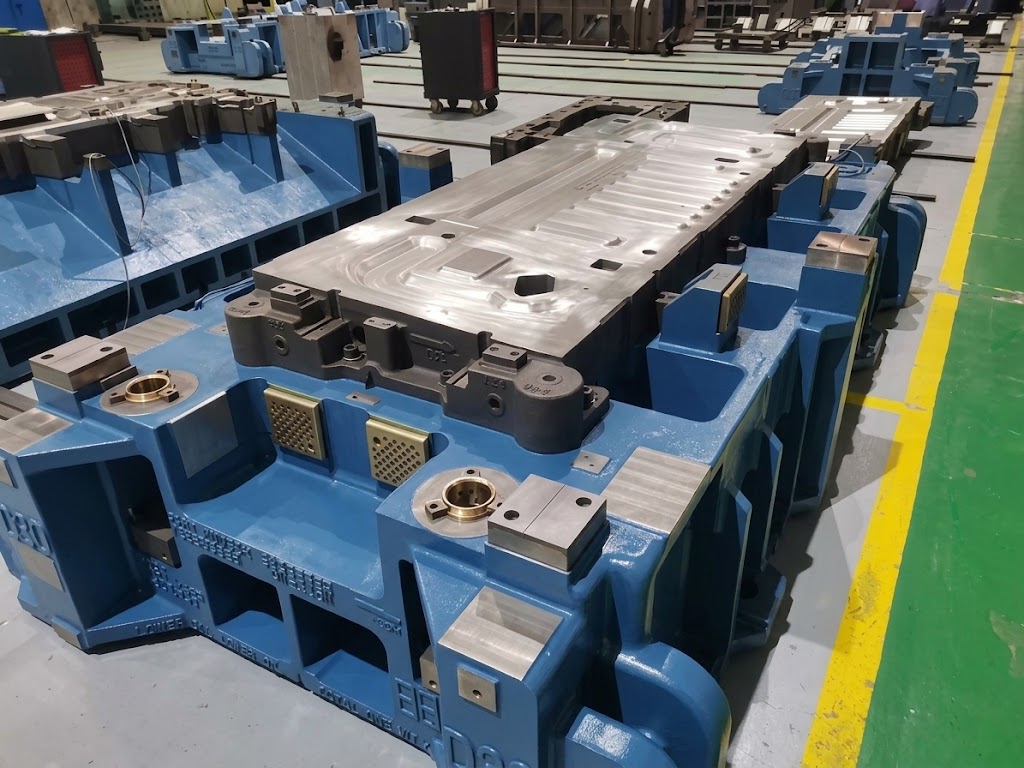
Progressive die technology enables high-volume, high-precision stamping production by performing multiple sequential operations within a single die set. This efficient manufacturing approach is widely used in automotive component production where high productivity and consistent quality are essential. This document explores progressive die design principles, critical design considerations, and optimization strategies for automotive production applications.
Progressive Die Technology Overview
1. Working Principles
Progressive dies perform multiple stamping operations simultaneously at different stations within the same die set. As the press cycles, the strip material advances through each station, with each station performing a specific operation such as piercing, bending, drawing, or trimming. This sequential approach enables efficient, high-speed production of complex components.
2. Key Advantages
High productivity: Multiple operations completed in a single press cycle
Consistent quality: Precise inter-station alignment ensures dimensional accuracy
Reduced labor: Automated strip feeding eliminates manual part handling
Lower cost per part: Efficient material usage and high production rates
Improved safety: Operator interaction minimized during production
Critical Design Considerations
Strip Layout Optimization
Strip layout design is fundamental to progressive die success. Key considerations include:
Material utilization efficiency to minimize waste
Station count and operation sequencing optimization
Bridge width and carrier design for material strip strength
Piercing and forming operation distribution across stations
Geometry nesting for optimal material consumption
Feed Pitch Control
Precise feed pitch control ensures accurate material advancement between stations. Key design features include pilot hole systems, feeder precision requirements, and material guiding mechanisms. Proper feed accuracy is essential for maintaining dimensional consistency across all operations.
Station Design Principles
Each station must be carefully designed to perform its specific operation while maintaining overall die functionality. Considerations include:
Tool material selection for each operation type
Clearance optimization for piercing and trimming operations
Spring and stripping force requirements
Guiding and alignment mechanisms
Wear compensation features
Automotive Application Examples
Structural Components
Progressive dies produce various automotive structural components including brackets, reinforcement plates, mounting brackets, and small structural parts. These components require high dimensional accuracy and consistent mechanical properties for assembly and performance.
Electrical and Electronic Components
Progressive stamping is widely used for electrical contact components, connector parts, and sensor housings. These applications demand extreme precision and consistent quality for reliable electrical performance.
Die Construction and Maintenance
Tool Material Selection
Progressive dies require carefully selected tool materials for different operations. Piercing punches and dies typically use high-speed steel or carbide materials for wear resistance, while forming sections use durable tool steels optimized for their specific function.
Maintenance Strategy
Progressive die maintenance includes regular inspection of cutting edges, spring force verification, pilot pin condition checks, and dimensional accuracy monitoring. Proper maintenance ensures consistent quality and extends die service life.
Production Optimization
Progressive die production optimization includes feed rate tuning, cycle time reduction, and quality monitoring systems. Modern presses incorporate sophisticated controls that optimize production parameters for maximum efficiency and quality.
Conclusion
Progressive die design represents a highly efficient stamping technology for high-volume automotive production. Successful progressive die design requires comprehensive understanding of material behavior, tooling design principles, and production process optimization. By applying these design principles, manufacturers can achieve exceptional productivity and consistent quality for automotive component production.
References
Progressive Die Design Guidelines - Manufacturing Industry Standards
High-Volume Stamping Production Technology - Engineering Publications
Strip Layout Optimization Methods - Manufacturing Research Papers
Tool Material Selection for Progressive Dies - Material Science Standards

Contact Us
- Company Name: Hebei Haoxinran Machinery Manufacturing Co.,Ltd.
- Hotline: +86 18932785670
- Email: project@haoranmj.com
- Website: https://www.hxrmetal.com
- Address: Across from Sanjing Distillery on Road 4, Botou Economic Development Zone, Cangzhou City, Hebei Province


Copyright © 2026-2027 https://www.hxrmetal.com. All Rights Reserved. Hebei Haoxinran Machinery Manufacturing Co.,Ltd.