

- Site Navigation -

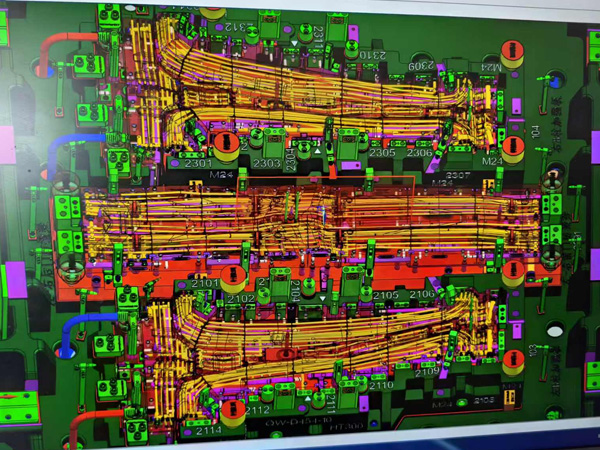
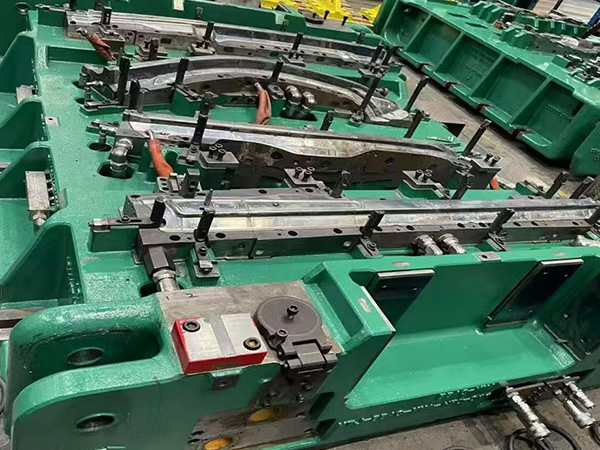
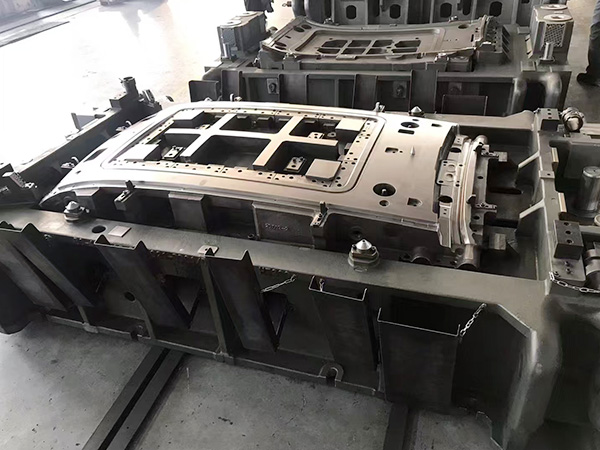
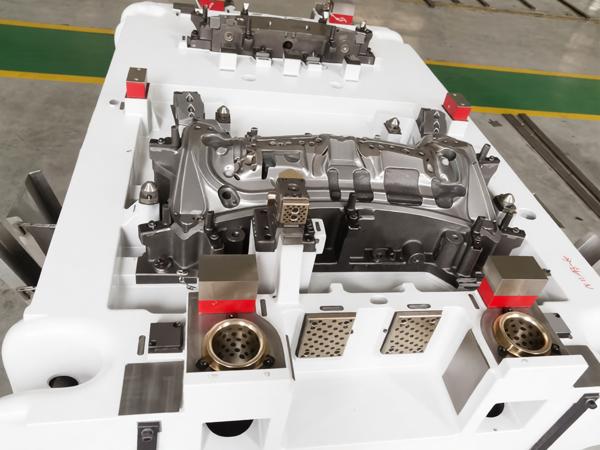
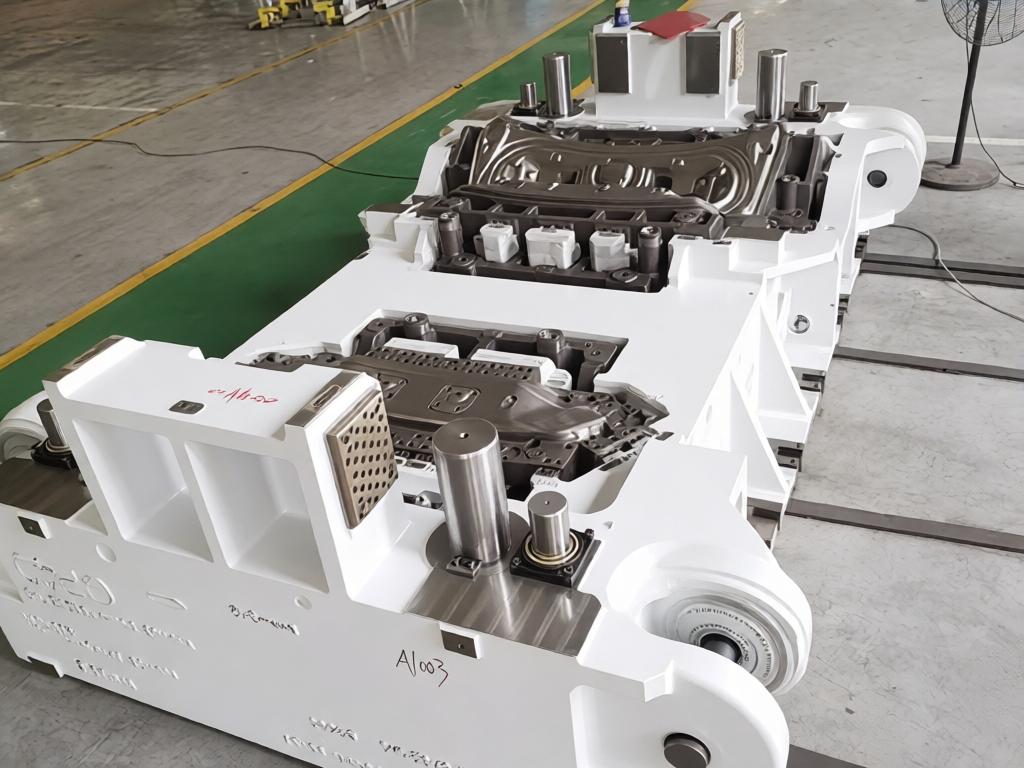
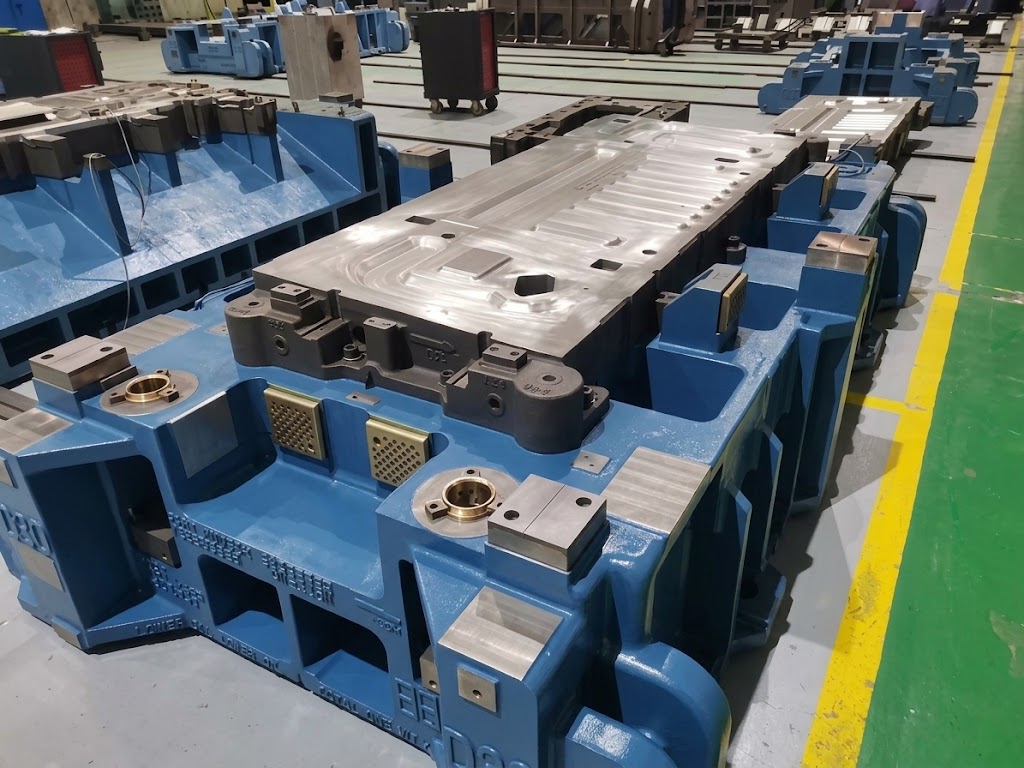
Surface Defect Prevention in Automotive Outer Panel Stamping Dies
Date: 2026-09-21 10:58:26 Author: Haoxinran Views: 194 times
Surface Defect Prevention in Automotive Outer Panel Stamping Dies
Surface defects represent one of the most critical quality challenges in automotive outer panel stamping, directly impacting aesthetic appearance and perceived quality. Preventing surface defects requires comprehensive understanding of defect mechanisms, precise die design optimization, and rigorous process control. This document provides a detailed analysis of common surface defects and effective prevention strategies for automotive outer panel stamping.
Common Surface Defects
1. Distortion and Sink Marks
Surface distortion appears as localized surface unevenness that becomes visible under side lighting conditions. Sink marks occur when material thickness variations cause surface depressions at reinforcement features. These defects are particularly noticeable on large, flat outer panel surfaces.
2. Orange Peel Effect
The orange peel effect creates a textured, orange-peel-like surface appearance caused by uneven material deformation at the grain structure level. This defect becomes apparent when material strain exceeds uniform elongation limits, exposing underlying material microstructure.
3. Scratches and Scuffs
Surface scratches and scuffs result from material die friction during forming. These defects range from minor cosmetic imperfections to deep scratches that compromise surface finish quality. They are particularly problematic on visible exterior surfaces.
4. Wrinkling and Flow Marks
Wrinkling creates visible surface ripples and wavy patterns. Flow marks appear as directional lines on the surface, indicating uneven material flow during forming. Both defects are highly visible on painted exterior panels.
Defect Mechanisms and Causes
Material-Related Factors
Material properties significantly influence surface defect formation:
Material grain size and microstructure
Strain hardening behavior and yield strength
Surface coating quality (galvanized, aluminized)
Material thickness uniformity
Die Design Factors
Die design directly impacts surface quality through:
Die surface finish and texture
Draw radius geometry and transitions
Draw bead placement and geometry
Blank holder surface design
Process Parameters
Process conditions influence defect formation through:
Blank holder force levels and distribution
Lubrication type and application method
Press speed and forming velocity
Temperature conditions during forming
Prevention Strategies
Die Surface Optimization
Proper die surface treatment is essential for defect prevention:
High-quality surface polishing to minimize friction
Controlled surface texture for consistent lubrication retention
Strategic draw bead design to control material flow
Optimized draw radii for smooth material transitions
Material Flow Control
Controlling material flow patterns prevents many surface defects:
Optimized blank shape design for uniform material distribution
Variable blank holder force profiles for flow control
Strategic lubrication zones to manage friction characteristics
CAE simulation to predict and optimize material flow
Material Selection and Preparation
Proper material selection and preparation contribute to defect prevention:
Specifying material properties with tight tolerances
Controlling surface coating quality
Proper material handling and storage practices
Pre-forming material preparation as needed
Quality Inspection and Control
Surface quality inspection involves:
Visual inspection under controlled lighting conditions
Tactile surface quality assessment
Surface roughness measurement using profilometers
Production monitoring and statistical process control
Conclusion
Effective surface defect prevention requires systematic approach combining die design optimization, material control, and process parameter tuning. By understanding defect mechanisms and implementing comprehensive prevention strategies, manufacturers can achieve the premium surface quality required for automotive exterior panels.
References
Automotive Surface Quality Standards - Industry Quality Guidelines
Outer Panel Stamping Defect Prevention - Manufacturing Technology Standards
Material Flow Analysis for Surface Quality - Engineering Research
Die Surface Treatment Technology - Tooling Design Guidelines

Contact Us
- Company Name: Hebei Haoxinran Machinery Manufacturing Co.,Ltd.
- Hotline: +86 18932785670
- Email: project@haoranmj.com
- Website: https://www.hxrmetal.com
- Address: Across from Sanjing Distillery on Road 4, Botou Economic Development Zone, Cangzhou City, Hebei Province


Copyright © 2026-2027 https://www.hxrmetal.com. All Rights Reserved. Hebei Haoxinran Machinery Manufacturing Co.,Ltd.