

- Site Navigation -

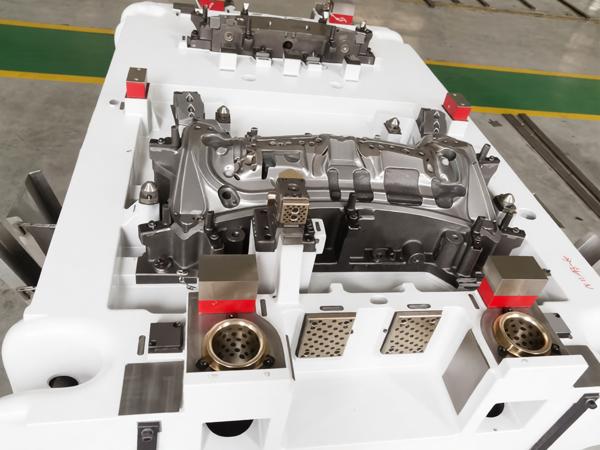
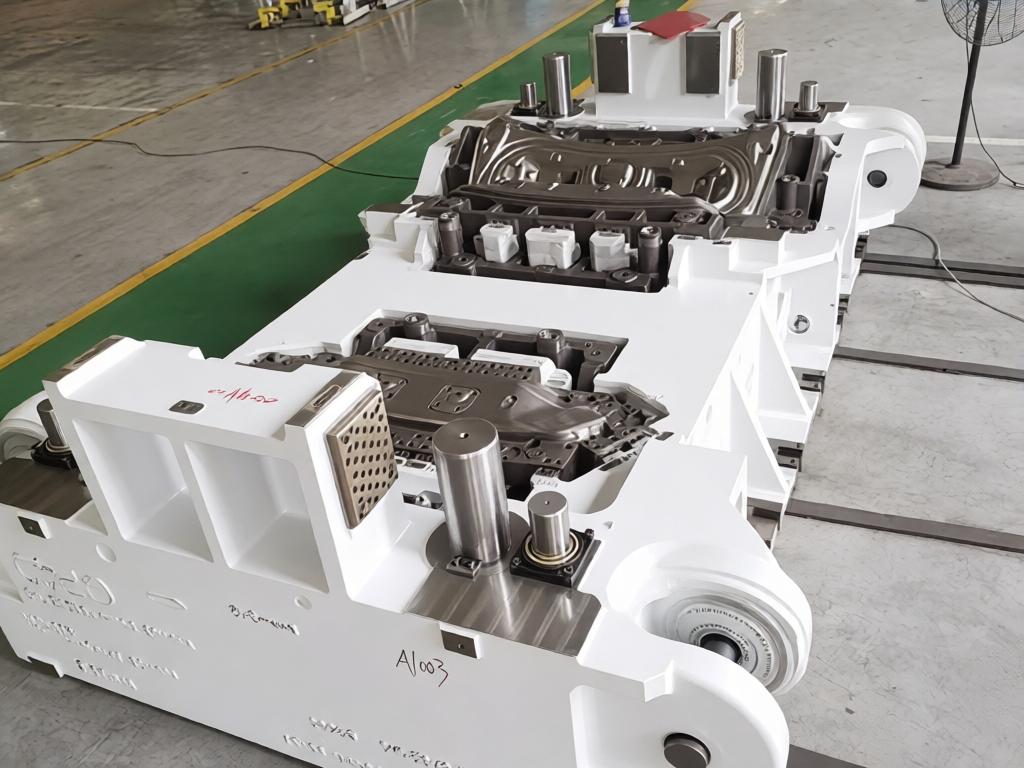
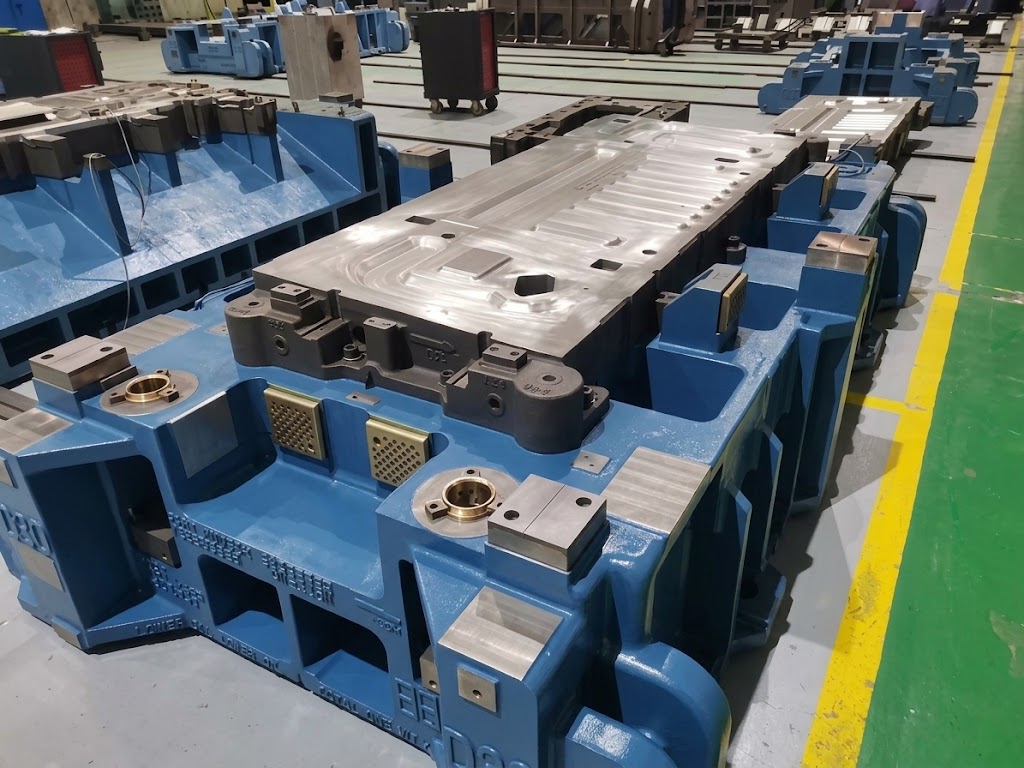
Fender Stamping Die Design Complex Curvature Forming Solutions
Date: 2026-09-21 10:59:19 Author: Haoxinran Views: 65 times
Fender Stamping Die Design: Complex Curvature Forming Solutions
Fender stamping die design presents unique challenges due to the complex curvature profiles and critical aesthetic requirements of automotive fenders. As a visible exterior panel, the fender must achieve premium surface quality while maintaining precise dimensional accuracy for proper assembly with adjacent body components. This document explores the specialized design considerations and forming solutions essential for successful fender stamping die development.
Fender Design Challenges
1. Complex Curvature Profiles
Modern automotive fenders feature increasingly complex curvature profiles designed to improve aerodynamic performance and visual appeal. The transition zones between different curvature radii create material flow challenges that can lead to surface defects. These complex geometries require carefully engineered die surfaces that facilitate controlled material deformation without introducing stresses that cause springback or cracking.
2. Surface Quality Requirements
As a primary visible exterior panel, fender surface quality standards are exceptionally high. Any distortion, sink marks, or surface roughness becomes immediately apparent under typical lighting conditions. The die design must incorporate features that minimize material distortion during forming while achieving the required surface finish.
3. Assembly Interfaces
Fenders interface with multiple adjacent components including the hood, door, bumper, and wheel arch trim. Precise control of flange dimensions, hole positions, and edge profiles is essential for ensuring proper fit and uniform panel gaps across all assembly interfaces. These interface requirements impose tight dimensional tolerances that must be maintained throughout the stamping process.
Forming Technology Solutions
Drawing Die Optimization
The drawing operation establishes the fundamental fender geometry and surface quality. Key design features include:
Optimized draw radii that balance material flow and surface quality
Strategically placed draw beads that control material influx
Variable blank holder pressure distribution for uniform material flow
Contoured die surfaces that compensate for springback effects
Restriking and Calibration
Multiple restrike operations are typically required to achieve the precise geometry and surface quality demanded by fender applications. These operations progressively correct springback effects and refine surface contours. The restrike die design must carefully control pressure distribution to avoid introducing new surface defects.
Trimming and Piercing
Fender trimming and piercing operations require precise control to maintain dimensional accuracy. Edge trimming must produce clean, burr-free surfaces while minimizing distortion. Hole piercing operations must maintain precise positional accuracy for assembly fasteners and attachment points.
Material Considerations
Fenders are commonly stamped from cold-rolled steel, galvanized steel, or aluminum alloys. Each material presents unique forming challenges:
Cold-rolled steel: Good formability with moderate springback characteristics
Galvanized steel: Requires careful lubrication control to prevent coating damage
Aluminum alloys: More severe springback requiring enhanced compensation strategies
Quality Control Measures
Fender quality control includes comprehensive inspection protocols covering dimensional accuracy, surface quality, and assembly fit. Dimensional inspection uses coordinate measuring machines to verify critical feature positions. Surface quality assessment involves both visual inspection under controlled lighting conditions and tactile evaluation for surface smoothness.
Conclusion
Successful fender stamping die design requires expertise in complex curvature forming, surface quality optimization, and precision assembly interface control. By applying advanced material flow analysis, springback compensation techniques, and comprehensive quality control measures, manufacturers can deliver fender dies that meet the stringent requirements of modern automotive production.
References
Automotive Fender Stamping Design Guidelines - Manufacturing Standards
Complex Curvature Forming Technology - Engineering Research Publications
Surface Quality Control for Exterior Panels - Quality Engineering Standards
Material Flow Analysis in Curved Surface Stamping - Manufacturing Technology Research

Contact Us
- Company Name: Hebei Haoxinran Machinery Manufacturing Co.,Ltd.
- Hotline: +86 18932785670
- Email: project@haoranmj.com
- Website: https://www.hxrmetal.com
- Address: Across from Sanjing Distillery on Road 4, Botou Economic Development Zone, Cangzhou City, Hebei Province


Copyright © 2026-2027 https://www.hxrmetal.com. All Rights Reserved. Hebei Haoxinran Machinery Manufacturing Co.,Ltd.