

- Site Navigation -

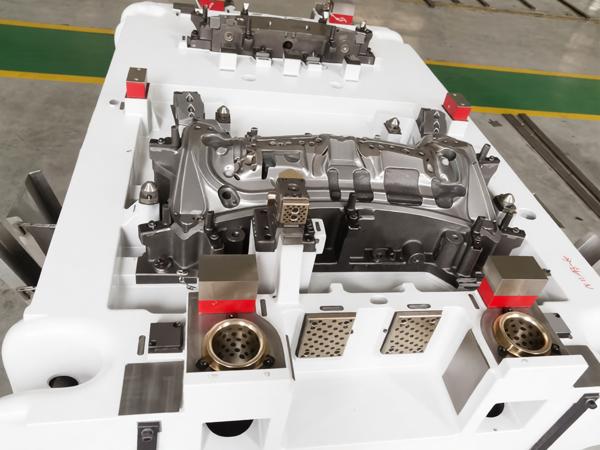
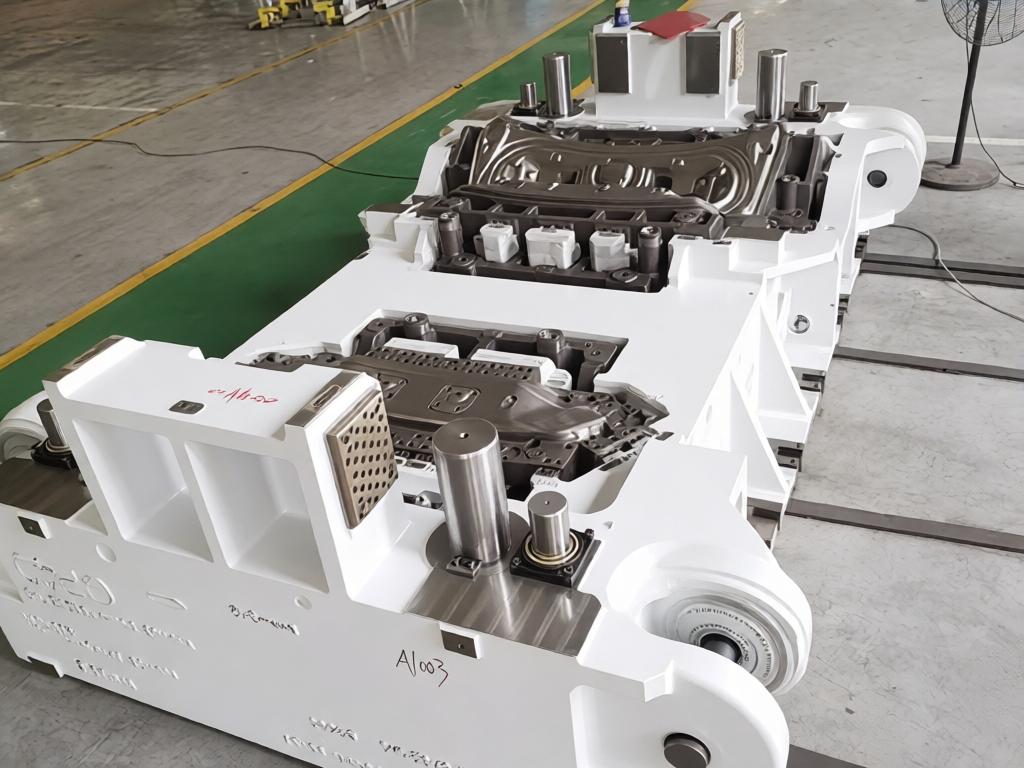
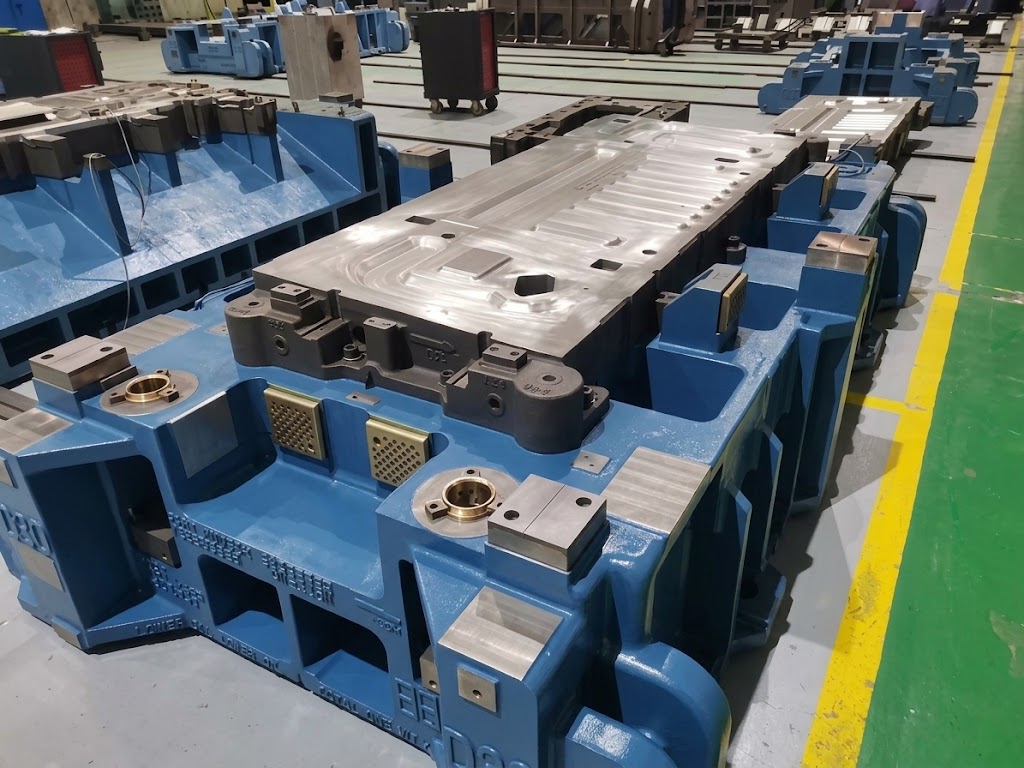
Hot Stamping Die Cooling Channel Design and Thermal Management Strategies
Date: 2026-09-21 10:58:21 Author: Haoxinran Views: 79 times
Hot Stamping Die Cooling Channel Design and Thermal Management Strategies
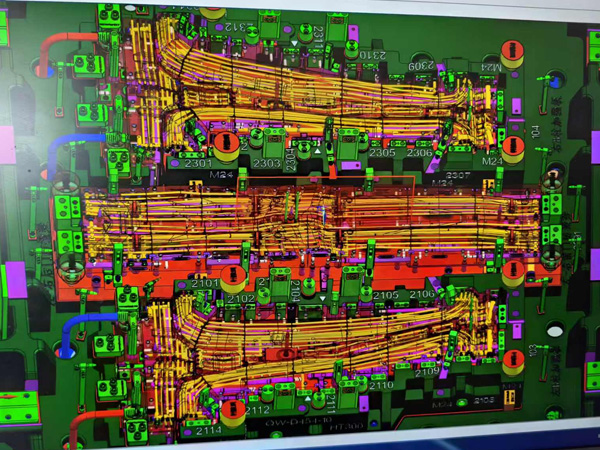
Cooling channel design represents one of the most critical aspects of hot stamping die engineering, directly influencing component material properties, dimensional accuracy, and production cycle times. Proper thermal management ensures uniform quenching for optimal microstructure development while maintaining die integrity and performance. This document explores cooling channel design principles, thermal management strategies, and optimization approaches for hot stamping die applications.
Hot Stamping Thermal Requirements
1. Quenching Process Fundamentals
Hot stamping involves simultaneous forming and quenching of heated boron steel components. The process requires rapid, controlled cooling to transform austenitic microstructure into martensitic structure, achieving ultra-high strength properties. Cooling rates must exceed critical thresholds to ensure complete martensitic transformation while avoiding thermal distortion.
2. Critical Cooling Parameters
Effective hot stamping requires precise control of several thermal parameters:
Cooling rates exceeding 27°C per second for boron steel
Uniform temperature distribution across the component
Consistent quenching through the entire material thickness
Die temperature control between 40°C and 200°C
Thermal gradient control to minimize distortion
Cooling Channel Design Principles
Channel Layout Optimization
Cooling channel placement directly impacts cooling uniformity and die performance. Key design considerations include:
Consistent distance from die forming surfaces
Proper channel spacing for uniform cooling distribution
Strategic placement in high heat transfer areas
Adequate channel diameter for sufficient flow rates
Minimized pressure drop through optimized routing
Material and Construction
Cooling channel systems must withstand thermal cycling and pressure conditions:
Die material thermal conductivity properties
Channel sealing and reliability considerations
Erosion and corrosion resistance
Maintenance access for cleaning and inspection
Thermal Management Strategies
Coolant System Design
The cooling system must provide consistent heat removal while maintaining proper die temperatures:
Coolant flow rate optimization for heat transfer efficiency
Inlet temperature control to maintain consistent process conditions
Flow distribution balancing across multiple channels
Heat exchanger capacity and thermal management system design
Temperature Monitoring and Control
Modern hot stamping dies incorporate temperature monitoring systems that provide real-time process feedback. Thermal sensors placed at critical locations monitor die temperatures and enable dynamic cooling system adjustment.
Performance Optimization
Cooling Efficiency Enhancement
Several strategies improve cooling system efficiency:
High thermal conductivity die materials in critical areas
Conformal cooling channel geometry for uniform heat transfer
Turbulent flow promotion for enhanced heat transfer
Thermal barrier coatings where appropriate
Cycle Time Reduction
Optimized cooling design enables reduced cycle times without compromising material properties. Balanced heat removal rates maximize production throughput while ensuring consistent quality.
Quality Impact
Effective thermal management directly impacts component quality:
Consistent material properties across production batches
Minimized part distortion from uneven cooling
Reduced residual stress from controlled cooling rates
Improved dimensional accuracy through thermal stability
Conclusion
Cooling channel design and thermal management represent critical engineering aspects of hot stamping die development. By applying optimized channel layouts, proper coolant system design, and effective temperature control, manufacturers can achieve consistent material properties, minimize distortion, and maximize production efficiency.
References
Hot Stamping Die Cooling Technology - Engineering Research Publications
Thermal Management in Sheet Metal Forming - Manufacturing Standards
Conformal Cooling Channel Design - Tooling Engineering Guidelines
Boron Steel Quenching Process - Material Science Research

Contact Us
- Company Name: Hebei Haoxinran Machinery Manufacturing Co.,Ltd.
- Hotline: +86 18932785670
- Email: project@haoranmj.com
- Website: https://www.hxrmetal.com
- Address: Across from Sanjing Distillery on Road 4, Botou Economic Development Zone, Cangzhou City, Hebei Province


Copyright © 2026-2027 https://www.hxrmetal.com. All Rights Reserved. Hebei Haoxinran Machinery Manufacturing Co.,Ltd.